
3 Ways Field Dressing A Deer Can Become A Bad Experience
Posted by Heath Wood on Aug 3rd 2023
Many hunters have had a least one experience while field dressing a deer that wasn’t so pleasant. For those with a weak stomach, dressing a deer after the harvest can sometimes cause nausea or, in some cases, gagging until they eventually vomit. These experiences can result from poor shot placement, using the wrong tools, or warm weather ruining the meat.
No matter what the case may be, mistakes happen. However, after a shot has been made, the hunter should have the opportunity to celebrate and create an enjoyable experience, even while field dressing. To ensure your next hunt is a memorable and enjoyable experience, here are a few tips to prevent any mistakes or mishaps from occurring.
Bad Shot Placement
One of the most common reasons for a hunter's experience while field dressing to be anything but enjoyable often begins with their shot placement when harvesting the animal.
If a deer is shot too far back, too high, too low, or in an area where no vitals have been taken out, the joy of the hunt can turn south in the snap of a finger. In a worst-case scenario, the animal could run a far distance before expiring, making recovery virtually impossible.
Another reason shot placement is vital is that it makes the venison taste better. A so-called “gut shot” deer can often leak unwanted body fluids into the meat, producing an awful taste. Unfortunately, hunters often know quickly after cutting the deer open to field dress if the deer has been hit in the wrong location. Immediately following the first cut, the smell is one that weak-stomached hunters often turn away from.
To ensure a well-placed shot each time, it is recommended to practice well before the hunt. Also, during the heat of the moment, after a deer walks into shooting range, keep calm, and ensure a solid rest or open shot before releasing the string or pulling the trigger. Proper shot placement equals a quicker recovery, more effortless field dressing, and better-tasting meat at the end of the day.
Wrong Tools For The Job
One of the worst mistakes a hunter can make is realizing after the shot has been made that they forgot to bring a knife or the proper field dressing tools. I have heard horror stories of hunters digging through their trucks until they found an old box knife or worn-out pocketknife that could barely cut hot butter.
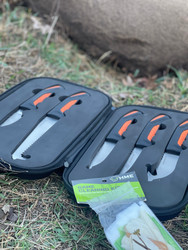
When hunting near my home or where my vehicle is within a short distance, I always have my Cold Steel Fixed Blade Hunting Kit nearby. When hunting remotely, it is inevitable that inside the backpack I carry while deer hunting, there will always be a Cold Steel Click N Cut Knife and several pairs of HME Field Dressing Gloves. The Click N Cut provides a sharp blade that creates a quick and clean cut when field dressing a deer or other big game animal. The gloves keep all my hunting clothing clean and free of blood to continue hunting or for the ride home.
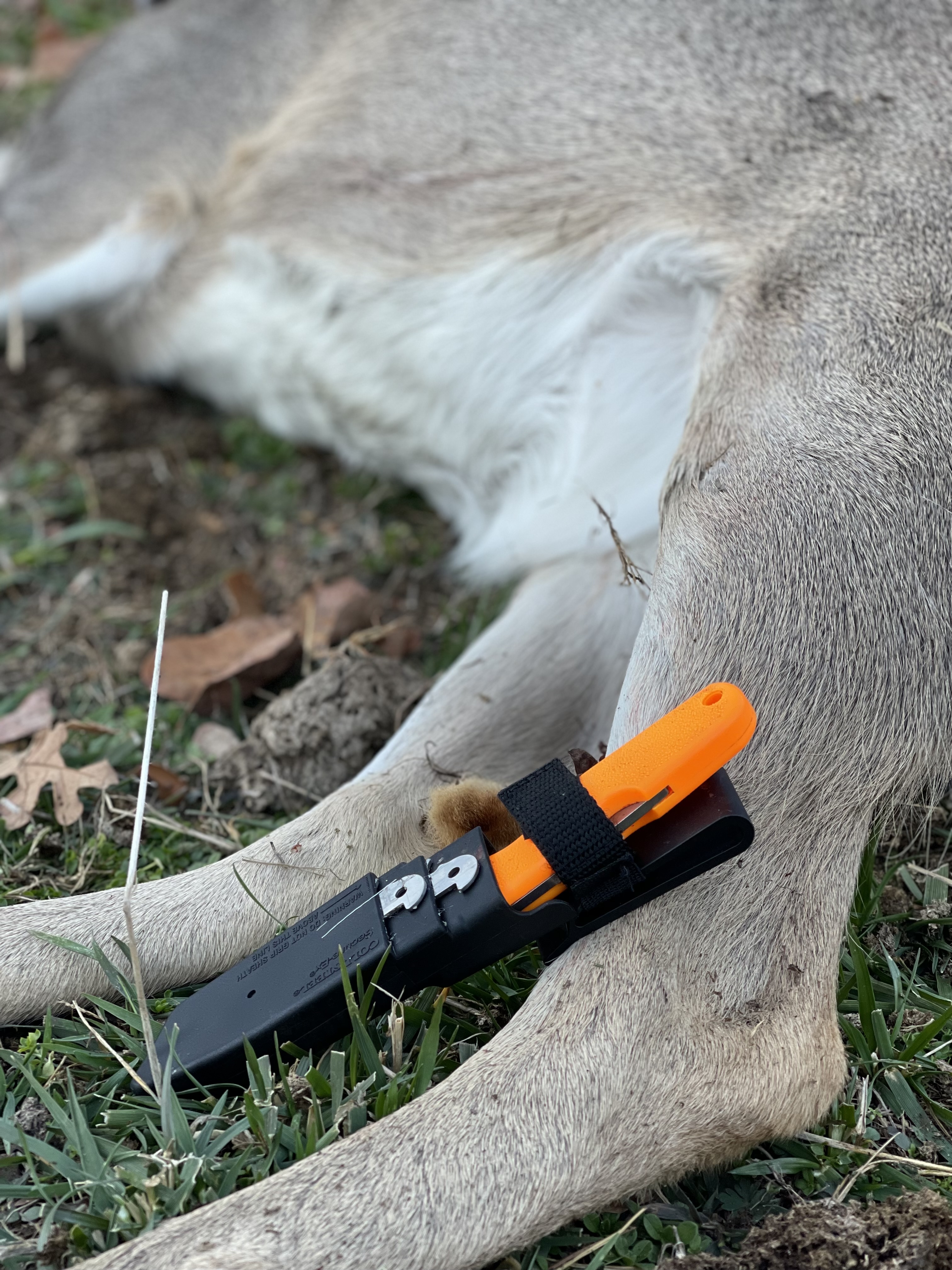
A sharp knife, designed for big game animals, is crucial in making the proper cuts and providing the ability to remove everything from the body cavity when dressing. When the bladder, stomach, or busted lungs and heart are left inside the body, it can often cause the meat to taste rancid or, in some cases, spoil when the weather is warmer or conditions are not ideal. The quicker everything is removed and cleaned, the better the overall experience.
How Long To Wait
When in doubt, back out is one of the common phrases that deer hunters use when recovering their animal after the shot. Yet, what if it is early season and temperatures remain warm? If the hunter waits too long, the meat will be ruined, so what do you do?
Weather is crucial in successfully recovering a harvest without harming the meat of the animal that has been taken. The meat will be fine several hours after the shot if temperatures exceed forty degrees. However, making a vital shot is crucial when hunting in warm conditions. The hunter can then wait thirty to forty-five minutes before beginning to track to ensure the animal has expired. This also prevents pushing the animal farther away. Once the animal is found, it is crucial to field dress as soon as possible.
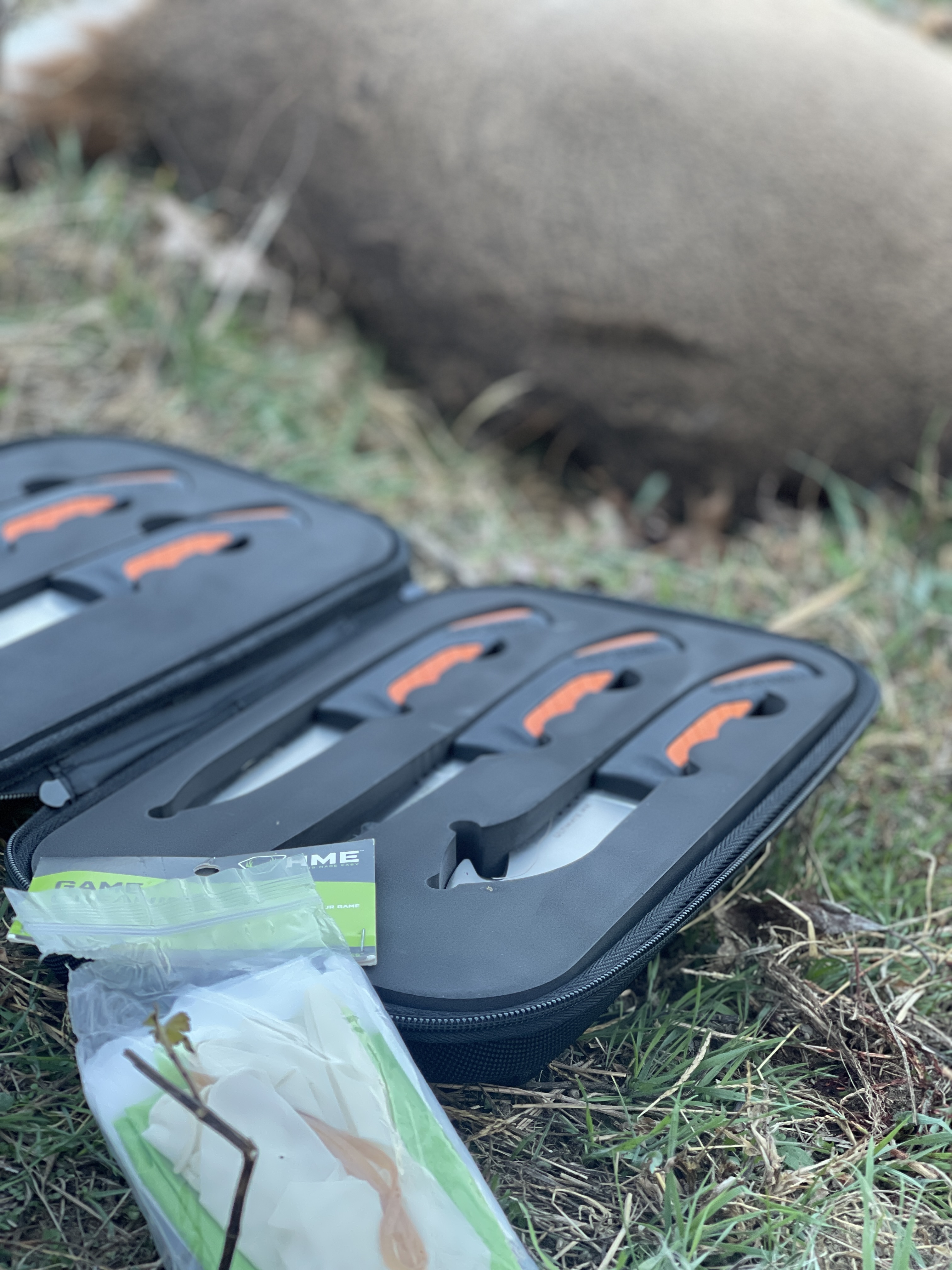
Another common mistake hunters make is waiting too long to process their animal after field dressing. Especially when a mature buck has been taken, hunters often want to show their trophies off to all their friends and family. By the time show and tell is over, it is too late; the meat is spoiled. In warmer weather, hunters can pack bags of ice into the body cavity or quickly process their animal, saving the antlers or head to show to their friends after proper care of the meat has been taken.