
Care For Your Deer During Warm Weather
Posted by Heath Wood on Nov 8th 2022
What To Know To Safely Care For Your Deer During Warm Weather 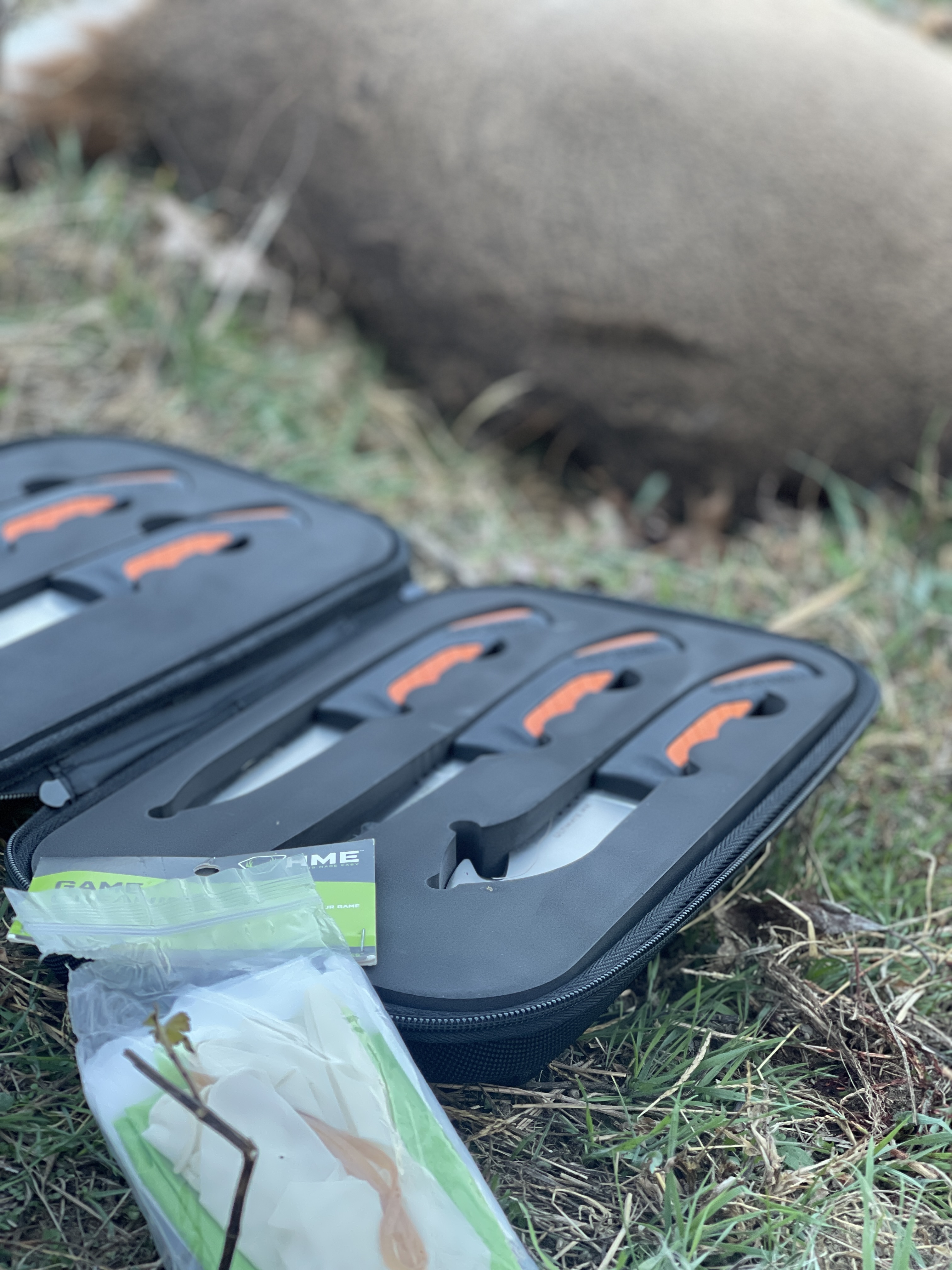
When I was sixteen, my father harvested his first mature buck in southern Missouri. We began the morning by hunting in our specific locations, then met back for a late morning breakfast at our hometown's local café. Once our stomachs were full and warmed up after a morning of sitting in the cold while hunting, we returned to the woods to continue our day of hunting.
After sitting next to a large oak tree, I leaned my head back and took a midday snooze while my father sat a few feet in front of me. Around the time that my eyes had permanently closed for a nap, I heard my father whisper, “big buck.” I looked to see a mature nine-pointer traveling down the hill we had been facing. My father made a successful shot on the buck at a mere fifty yards. Being my father's first big mature buck, we had to drive around town, showing it off to all our friends and whoever else wanted to see the big buck. Because it was unseasonably warm for early November, we stuffed three bags of ice into the buck's body cavity to prevent the meat from spoiling while we drove around and celebrated dads harvest.
Even though November typically brings cooler weather, there are times when temperatures can warm back up into the seventies throughout the day. The hunt must continue when the weather worsens, and hunters face the challenge of adequately caring for the harvest before rising temperatures spoil and ruin the meat.
Field Dress Quickly
One of the first questions many hunters ask is what temperature is considered dangerous after harvesting a deer. When the air temperature outside is over forty degrees Fahrenheit, harmful bacteria capable of causing foodborne illness can develop quickly.
After making a harvest during warmer weather, one of the most vital factors is to field dress or remove all the guts as quickly as possible. Removing the deer's internals quickly helps cool the meat faster, preventing it from spoiling due to bacteria growth or contamination from internal decomposition.
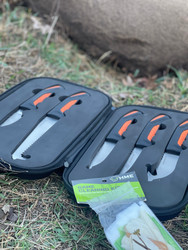
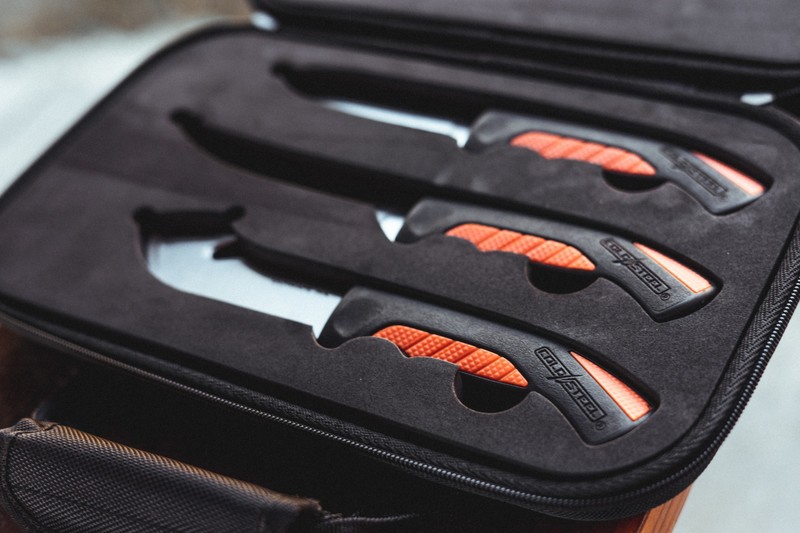
On most of my hunts, regardless of the temperature, my backpack holds one of my Cold Steel Click N Cut Hunters Model knives and an HME Game Cleaning Kit with arm-length gloves to protect my skin from blood and harmful bacteria that could develop. With a sharp knife such as the Click N Cut, I can quickly field dress my deer moments after the harvest.
Cool The Meat
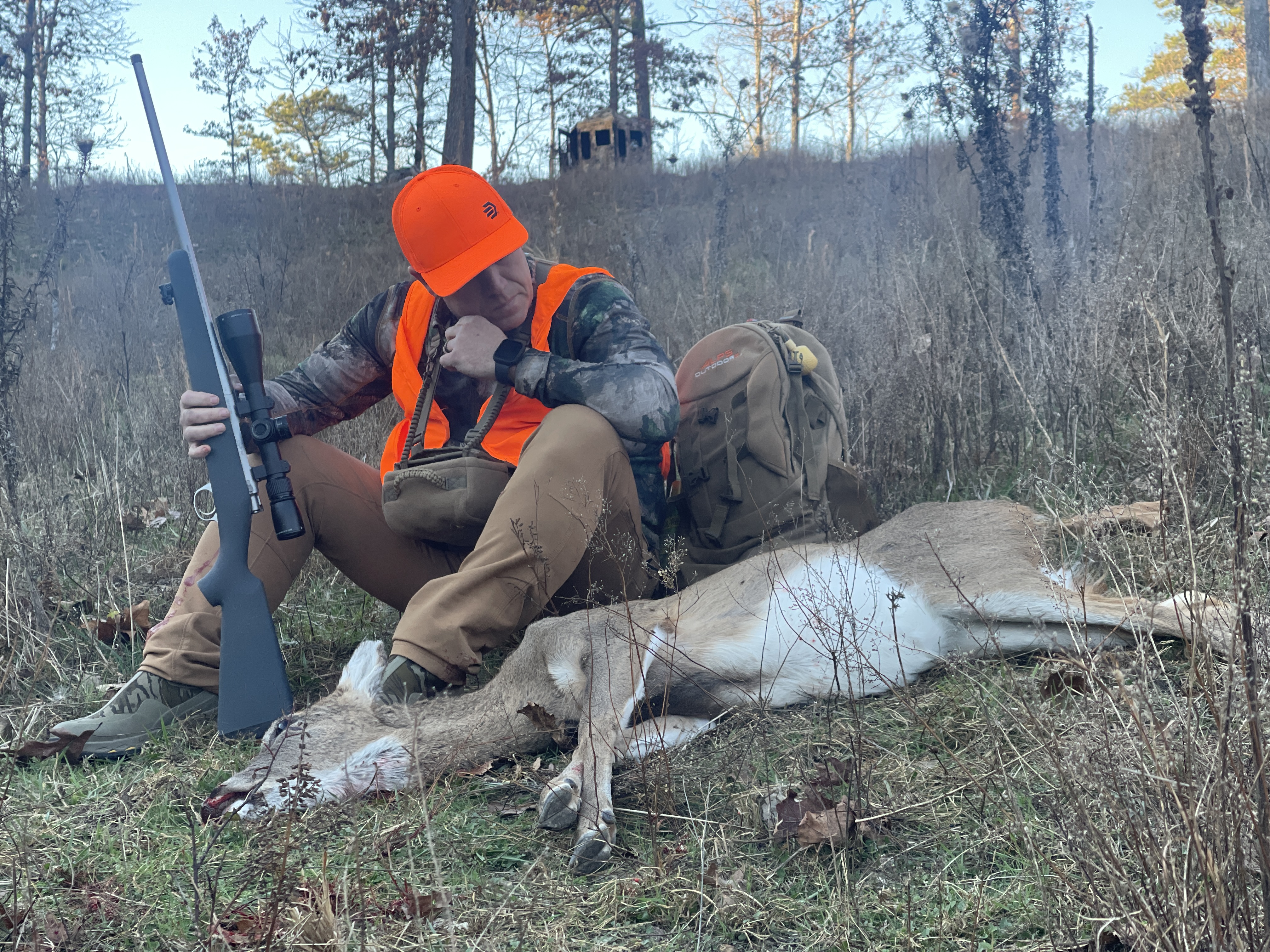
As with my father and I, many hunters like to take time after the harvest to take a few pictures and show off their trophies to their hunting buddies, friends, and family. Even though we want to share our excitement afterward, it is vital to begin cooling the meat as soon as possible to prevent any bacteria from developing before the deer is skinned and processed.
When I know that temperatures will remain over forty degrees for much of the day, I like to fill my Yeti Tundra 45 Hard Cooler with three to four bags of ice (still in bags) before hunting. After my deer is loaded in my truck, I stuff a couple of bags of ice into the body cavity to keep the meat safely cooled until I get back to camp or home to begin the processing procedure.
Once the deer has arrived at the processing location, it is recommended to let it hang for at least two hours before continuing to debone and process the meat. After getting the deer hung, the hunter should immediately use their Cold Steel Click N Cut Hunters Model knife and remove the skin from the deer. Letting a deer hang for two or three hours without skin helps cool the meat quicker. Plus, the entire body stiffens hours after a deer is harvested due to rigor mortis. If processed during that time, the muscles are shortened and contract, causing the meat to become tough. The toughness can be prevented if the deer hangs for two to four hours. Again, letting deer hang can only be achieved in the shade where the air temperature is below forty degrees.
When warmer weather prevents the hunter from letting a deer hang for an extended period, the next option is to quarter the deer and place it inside a chilled room such as a skinning shed. If a skinning shed is unavailable, the meat can be chilled using the same Yeti full of ice that housed the unopened bags before the harvest. Placing the deboned meat inside the Yeti allows the meat to cool down and soak. When soaking deer meat inside my cooler, I often sprinkle salt onto the ice and add water. When meat is soaked in the salted ice water, most blood is removed from the meat, resulting in better-tasting venison.