
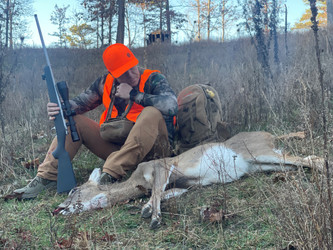
How to Debone a Whitetail in the Field: A Step-by-Step Guide
Posted by Heath Wood on Dec 4th 2024
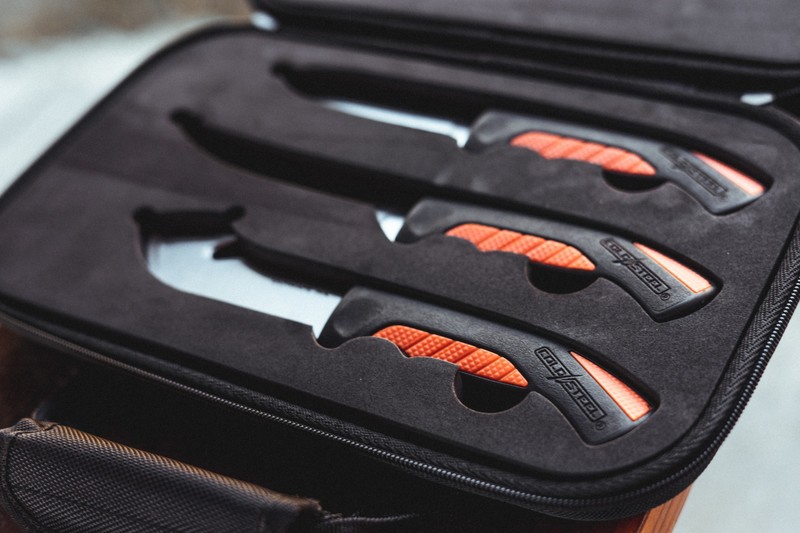
After enlisting the help of two friends to drag deer out of steep terrain, I’ve taken a different approach this season. On two occasions, I harvested bucks that ran down into challenging ravines, making it nearly impossible for one person to drag them out alone. One was in a deep river bottom, where my friend and I had to stop repeatedly to catch our breath and regain the strength to keep going. The other was in another deep bottom, but this time, thick brush constantly snagged the deer, forcing us to stop frequently to untangle it and continue. After those two unforgettable hunts, I’ve started packing my Cold Steel Fixed Blade Hunting Kit and two game bags for every outing. If I find myself in rough river bottom country again, I’ve decided to debone the deer on the spot and pack it out western-style.
Field dressing and deboning a whitetail deer on-site is an essential skill for
any hunter. Whether deep in the backcountry or looking to lighten your load for
the hike, this method is both practical and efficient. With the Cold Steel Knives Fixed Blade Hunting Kit, you’ll have the tools to make the process
straightforward and seamless. Packing out a deer from a tough-to-reach hunting
spot isn’t just practical—it’s a badge of honor for today’s bowhunters. I’ve
been training with weights in my backpack to prepare for the moment I proudly
walk out of the woods, antlers extending around my ribs—a truly unforgettable
sight.
Why Debone in the Field?
Field-deboning offers key benefits:
- Lighter Loads: Deboning removes unnecessary weight, making pack-outs easier.
- Faster Cooling: Boneless meat cools quickly, reducing the risk of spoilage.
- Convenience: Ideal for remote hunts or when quarters can’t be easily transported.
What’s in the Cold Steel Knives Fixed Blade Hunting Kit?
The Fixed Blade Hunting Kit provides all the essentials for efficient field processing:
- Drop Point Hunting Knife: Versatile for skinning and deboning.
- Caping Knife: Perfect for detailed work around joints and delicate cuts.
- Field Sharpener: Ensures your blades remain razor-sharp.
- Heavy-Duty Sheath: Keeps your knives secure and accessible.
Step-by-Step Guide to Deboning a Whitetail
1. Choose Your Work Area
After you have made the perfect shot on an animal and decided to pack it on your back, you first need to select a clean, flat surface where you can work comfortably. Some hunters have packed a bag or small tarp to lay down on and keep their meat free of debris.
2. Skin the Deer
Next is skinning the deer after finding a clean spot, such as a gravel bar alongside a creek or a gravel road, or using a tarp for a clean area. Using the Drop Point Hunting Knife, make a shallow incision from the pelvis to the sternum, being careful not to puncture the internal organs. Start peeling back the hide, working the blade between the skin and muscle while pulling the hideaway with your other hand.
3. Remove the Front Shoulders
The front shoulders are attached by muscle, not bone. Pull the leg away from the body and use the Drop Point Knife to cut through the connective tissue. Set the meat aside on a clean surface or in a game bag.
4. Harvest the Backstraps
The backstraps run along each side of the spine and are among the best deer cuts. Starting near the neck, use the Drop Point Knife again to make a shallow cut along the spine, then work the blade down and along the rib cage to free the meat. Once your blade lays against the bone, you should be able to feel the bone the entire way down the backstrap.
5. Separate the Hindquarters
Locate the ball-and-socket joint at the pelvis. Here, I like to use a small saw or the Caping Knife to cut through the joint and detach each hind leg. Lay the leg flat and slice along the femur, removing the meat in large sections.
6. Trim the Neck Meat
Use the Drop Point Knife to slice the meat off the neck carefully. This meat is excellent for grinding or slow cooking.
7. Remove the Rib Meat
For those who want to utilize the rib meat, carefully slice along the ribs to free the meat. The Caping Knife works well for precision cuts in this area.
8. Package and Cool the Meat
Place the deboned meat into game bags. A bag keeps from meat getting your backpack bloody, as well as keeps your hunting clothing clean when packing out as well. Once you reach your destination, cooling the meat quickly ensures it stays fresh. I often keep a cooler in my vehicle to help cool meat quicker and help transport it back home.
Pro Tips for Field Deboning
- Keep Your Knives Sharp: The included field sharpener helps maintain blade efficiency for clean cuts.
- Stay Organized: Bag cuts separately to keep track of your harvest.
- Work Efficiently: Speed is key to minimizing contamination and exposure to insects.
- Respect Regulations: Ensure you comply with local laws regarding what must be removed from the field.
Why Choose the Cold Steel Knives Fixed Blade Hunting Kit?
This kit is built for serious hunters. Its high-quality fixed blades offer unmatched durability and precision. The ergonomic handles provide a comfortable grip even during long processing sessions, and the sharp edges make clean, efficient cuts every time. With the Cold Steel Knives Fixed Blade Hunting Kit, you can confidently handle any field dressing or deboning task.
Field-deboning a whitetail might initially seem intimidating, but it's a manageable and rewarding process with the right tools and some practice. The Cold Steel Knives Fixed Blade Hunting Kit simplifies the job, ensuring you get the most from your harvest. Whether you're on a backcountry adventure, closer to home, or want to challenge yourself to pack your deer out all in one trip, this skill is invaluable for every hunter.